
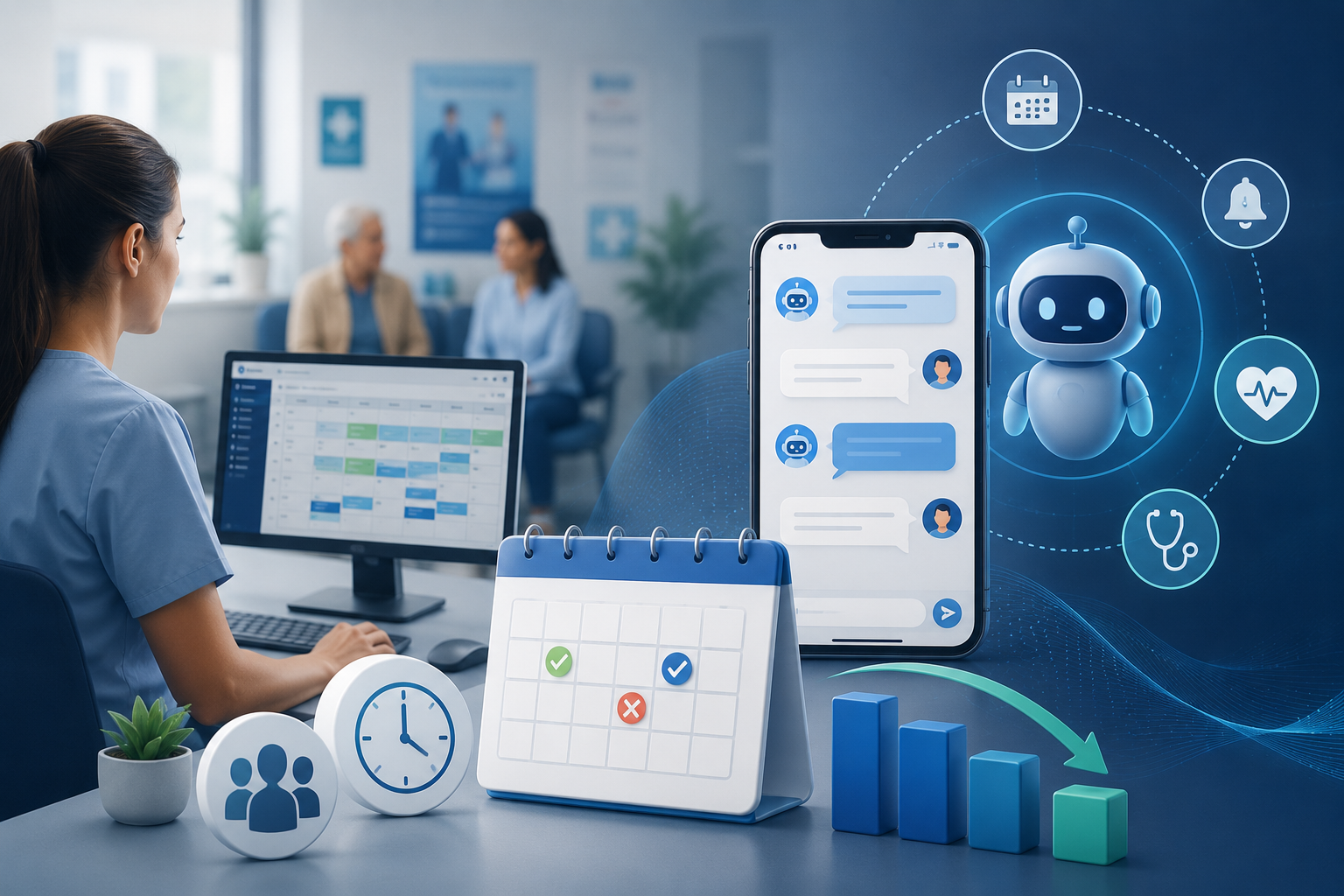
Every missed appointment is more than an empty slot in the diary. It represents lost clinical time, longer waiting lists, additional administrative work and, in many cases, delayed care for another patient.
Across the NHS, Did Not Attend (DNA) appointments continue to place significant pressure on already stretched primary care services. Reception teams spend valuable time contacting patients, rescheduling appointments and managing clinic capacity instead of supporting those who need care most.
The encouraging news is that AI-powered patient engagement is beginning to make a measurable difference. In some NHS pilot projects, AI-supported communication has helped reduce DNA rates by up to 30%, demonstrating the potential of digital tools to improve attendance while easing administrative burden.
Why Patients Miss Appointments
Not every missed appointment happens because a patient chooses not to attend.
Many appointments are missed because patients:
- Forget their appointment.
- No longer need to attend but don’t cancel.
- Are unsure how to rearrange.
- Miss reminder messages.
- Find it difficult to contact the practice.
These seemingly small communication gaps can quickly become a significant operational challenge when multiplied across hundreds of appointments each week.
For practices already managing high demand, reducing DNAs isn’t simply about improving efficiency, it’s about making better use of existing clinical capacity.
AI is Changing Patient Engagement
Traditional appointment reminders often rely on a single SMS sent a day or two before an appointment.
AI-powered communication takes a more dynamic approach.
Instead of simply reminding patients, intelligent systems can support two way conversations, answer routine questions, provide clear instructions and make it easier for patients to confirm, cancel or seek further information.
This creates a smoother patient experience while helping practices identify appointment changes earlier, allowing slots to be reallocated where appropriate.
Importantly, AI supports the administrative process, it does not replace clinical judgement or decision making.
Better Communication Creates Better Outcomes
Reducing DNA rates isn’t only about technology. It’s about making communication easier for patients.
Practices that improve patient engagement often see wider operational benefits, including:
- Better utilisation of available appointments.
- Reduced administrative workload.
- Improved patient experience.
- Greater efficiency across reception teams.
- More clinical time available for patients who need it most.
As NHS digital transformation continues, improving communication before the appointment may prove just as valuable as improving the consultation itself.
Supporting Patient Communication with GPChatbot
This is where conversational AI can support modern general practice.
Rather than relying solely on static forms or one way messages, GPChatbot helps practices provide patients with a conversational digital front door that supports routine enquiries and patient communication.
Through AiLeen, patients can access information, receive guidance and interact with the practice through familiar digital channels, helping reduce unnecessary administrative demand while supporting a more accessible patient experience.
The aim isn’t simply to automate conversations, it’s to help practices communicate more effectively so reception teams can focus on patients who require personal support.
As practices continue exploring digital solutions to improve access, patient communication will remain one of the most valuable opportunities to reduce avoidable administrative pressure.
Looking Ahead
Reducing missed appointments will never depend on technology alone.
However, AI is showing real promise in helping practices engage patients more effectively, simplify communication and make better use of existing clinical capacity.
As more NHS organisations adopt intelligent communication tools, success will be measured not only by fewer missed appointments but by creating a patient experience that is easier to access, easier to navigate and more responsive from the very first interaction.
Technology works best when it strengthens relationships rather than replacing them and in primary care, better communication remains one of the most effective ways to improve patient access.